Seeding Transitions: Architectural Education as a Catalyst for Systemic Change
This workshop reframed early design education as a systemic intervention, introducing high school students to spatial thinking, systems literacy, and design-led transitions through hands-on architectural practices in Shenzhen.
In the hyper-urbanized landscape of Shenzhen, China—a city emblematic of rapid development and societal transformation—we launched an experimental summer workshop for high school students with no prior exposure to architecture. But this was not a typical architecture camp. The aim was not merely to teach technical skills, but to prototype an alternative educational model: one that uses design as a way of seeing, understanding, and intervening in complex systems.
Conceived by Looper Works, the workshop embraced the philosophy of learning through making—a pedagogical approach rooted in embodied cognition and material engagement. Drawing and model-making were positioned not as ends in themselves, but as tools for developing spatial literacy, systems thinking, and reflective practice. In a context where most students had only experienced rote, test-based learning, this tactile, creative process opened up new ways of thinking and becoming.
Throughout the program, students engaged in iterative cycles of making, critique, and narrative construction. The studio space became a microcosm of transition—a place where students shifted from passive recipients of information to active agents imagining spatial futures. The culminating exhibition was not just a final presentation; it became a public forum for shared inquiry and emergent identity.
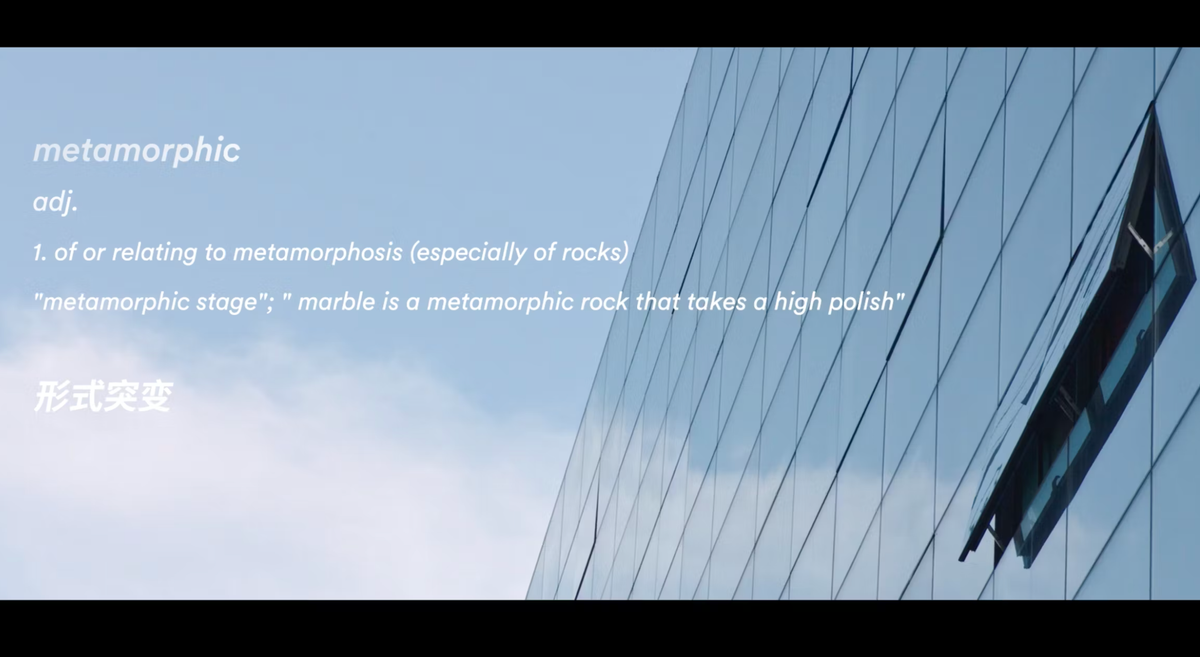
Several participants have since gone on to pursue architecture in higher education, but the deeper impact was not discipline-specific. It was a shift in mindset—a metamorphic reframing of what it means to observe, question, and intervene in the systems that shape our lives. These students began to see design not just as a profession, but as a lens through which they could engage the world more critically and creatively.
As part of our commitment to design-led transition, we documented this process through a short film. Directed and edited by the workshop leader, the video captures both the energy of the studio and the quiet moments of growth and reflection that defined the experience.
This project sits at the intersection of early education, spatial practice, and long-term societal change. It suggests that introducing design methodologies and systems literacy at a formative age can seed the conditions for future-oriented agency—developing individuals who are not only prepared to navigate complexity, but to reimagine and redesign it.
It invites questions central to how design might act as a lever for societal transition:
- How might early design education cultivate the capacity for systemic inquiry?
- What role can spatial thinking play in shaping more just and sustainable imaginaries in rapidly urbanizing contexts?
- In what ways do embodied, hands-on practices contribute to long-term transitions in mindset, identity, and community?
This initiative represents a small but intentional step toward a broader goal: rethinking education itself as a strategic intervention for transition. It affirms the belief that transformation begins not with scale, but with depth, starting where the next generation first learns to see.